

Beef Cattle Farming
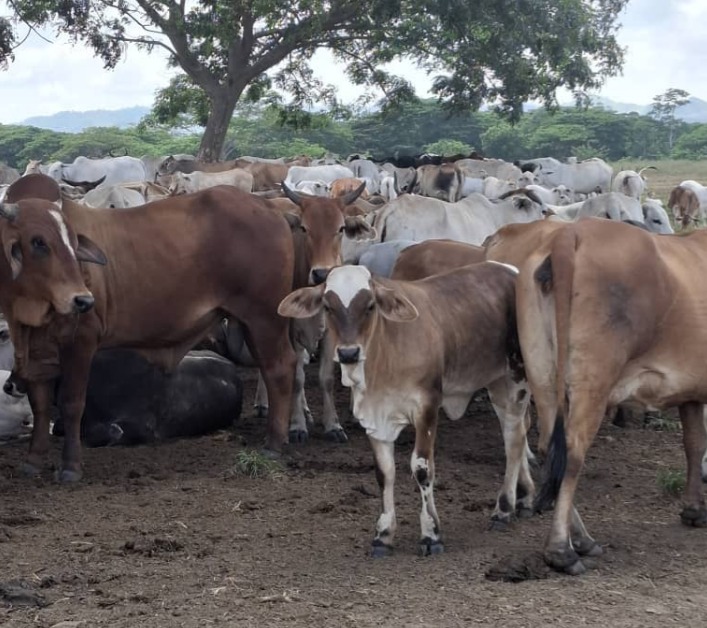
LDC Cattle breeding at Launakalana Ranch in Central Province. The cattle had been ferried across the Bismark Sea from Sialum in Morobe Province
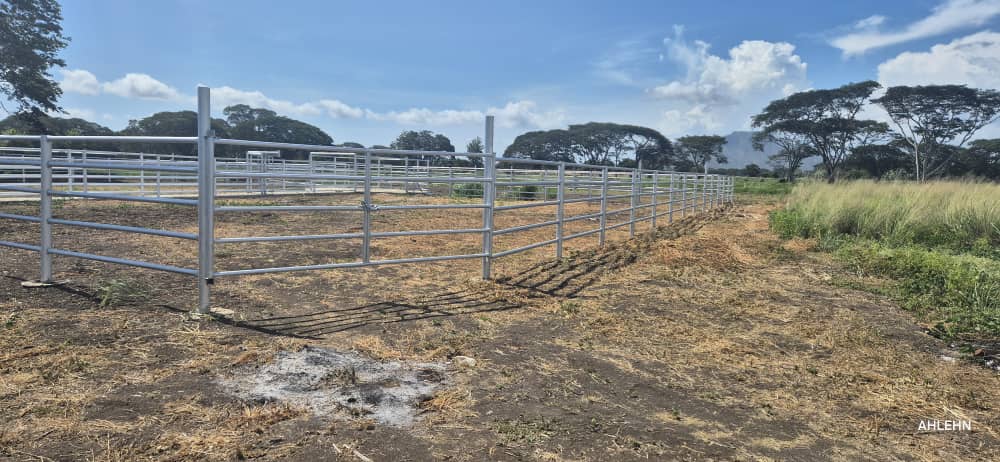
Tiaba Stockyard 12mile along Sogeri road had been ran down over couple decades. Now refurbished and reclaimed to provide feeding lot for cattle before processing
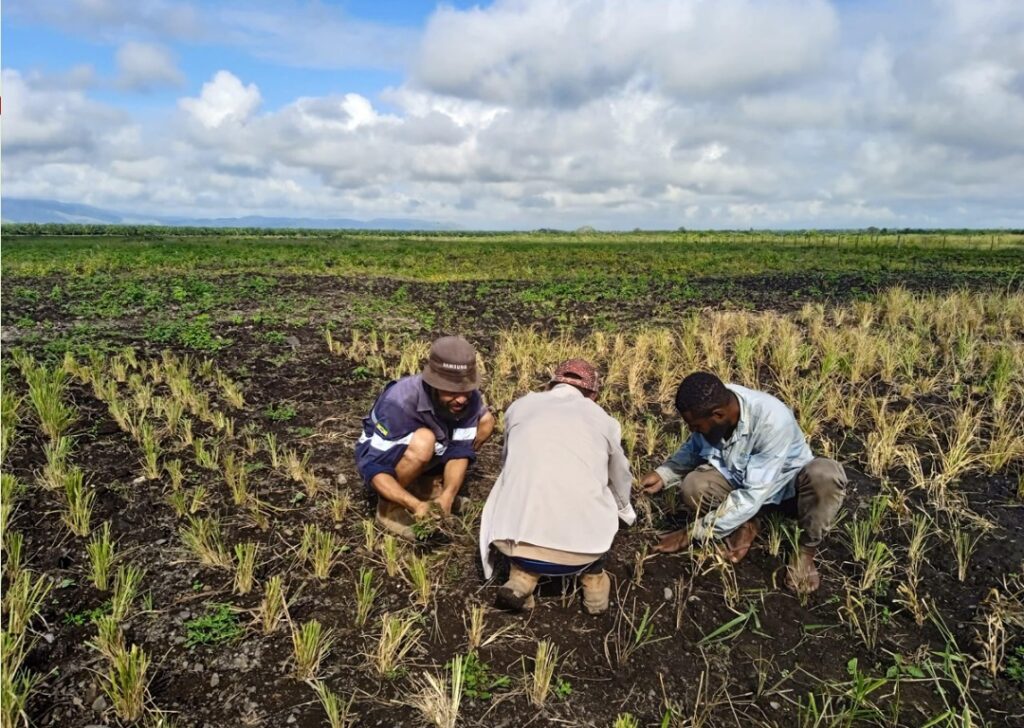
The LDC staff planting of grass for the cattle to graze. Cattle feed farming is anothe significant emphasis LDC is putting to feed the herds
The Livestock Development Corporation (LDC) is spearheading a major revival of cattle farming in Papua New Guinea, aiming to reduce meat imports and boost local production.
Strategic Revitalization of the Livestock Sector
- LDC has launched a comprehensive plan to rejuvenate the livestock industry, with a strong focus on cattle farming. This includes rehabilitating old cattle ranches, restocking herds, and refurbishing abattoirs.
- The initiative is part of a broader government directive under Prime Minister James Marape to achieve self-sufficiency in meat production and reduce reliance on imports.
Favorable Natural Conditions
- PNG’s tropical climate, abundant rainfall, and disease-free grasslands make it naturally suited for cattle farming.
- Historically, the industry began during colonial times and was initially driven by expatriates. Over time, smallholder farmers have become more involved.
Challenges and Decline
- Despite its potential, the national cattle herd has declined from around 150,000 in the 1970s to about 40,000 today, due to factors like mismanagement and lack of investment.
Asset Reclamation and Investment
- LDC is conducting a nationwide asset valuation project to assess and reclaim government-owned livestock assets. This is part of a broader strategy to leverage public assets for economic growth.
- The corporation is also tapping into local expertise to ensure sustainable development and long-term viability of the sector.
The National Impact
- These efforts are expected to create jobs, improve food security, and stimulate rural economies across PNG.
- LDC’s 2025 performance indicators reflect a clear roadmap for revitalizing the livestock sector, with measurable goals and government backing.
Current Cattle Meat Import Situation
- Import Volume & Value:
- PNG imports large quantities of beef annually, primarily from Australia and New Zealand, costing tens of millions of kina.
- Beef imports include chilled and frozen cuts, indicating strong domestic demand and insufficient local supply.
- Trend:
- Despite local cattle ranches, imports remain high due to limited commercial-scale production and processing capacity.
Local Production Status
- Industry Size:
- PNG has an estimated 40,000 head of cattle, mostly under smallholder and semi-commercial systems.
- Commercial ranches exist but operate below capacity due to infrastructure and breeding challenges.
- Consumption:
- Beef is a staple protein source in PNG, especially in urban areas, making cattle farming a strategic sector for food security.
Economic Potential
- Import Replacement:
- Reducing beef imports by scaling local production could save PNG millions annually and strengthen domestic supply chains.
- Revenue Generation:
- Cattle farming offers multiple income streams:
- Meat for domestic and export markets.
- By-products (hides, leather) for manufacturing industries.
- Cattle farming offers multiple income streams:
- Market Growth:
- Urbanization and population growth will continue driving beef demand, creating opportunities for SMEs and investors.
Job Creation & SME Opportunities
- Employment Impact:
- Expansion of cattle farming creates jobs in:
- Breeding and ranch management.
- Feed production and veterinary services.
- Meat processing, packaging, and retail.
- Expansion of cattle farming creates jobs in:
- Women & Youth Inclusion:
- Cattle farming can be integrated into household farming systems, empowering rural communities.
Strategic Investment Drivers
- High Demand vs Limited Supply:
- PNG’s cattle sector cannot fully meet domestic demand, leaving room for expansion.
- Government & LDC Support:
- LDC promotes cattle farming through breeding programs, ranch rehabilitation, and SME support.
- Favorable Conditions:
- PNG’s climate and pasture resources support cattle farming, reducing feed costs and improving sustainability.